PHYSICOCHEMICAL CHARACTERISTICS AND PHARMACOLOGICAL ACTIVITY OF SACHA INCHI SEED OIL (Plukenetia volubilis L.): A LITERATURE REVIEW
DOI:
https://doi.org/10.31603/pharmacy.v11i3.12719Keywords:
Sacha inchi (SaIn), Plukenetia volubilis L, Physicochemical Characteristics, Pharmacological ActivityAbstract
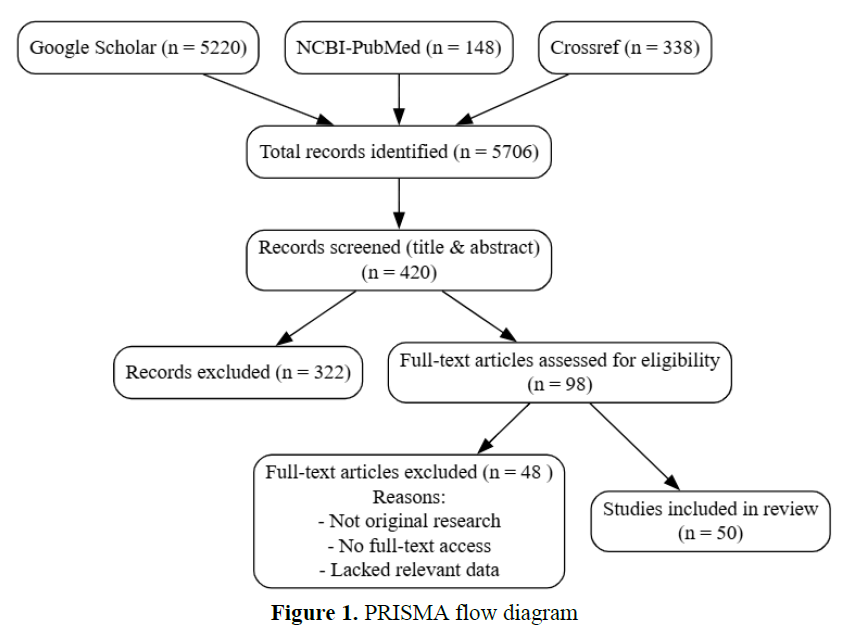
Sacha inchi (Plukenetia volubilis L.) of the family Euphorbiaceae is native to Peruvian in the Amazon forest. SaIn seeds are known to contain a significant fatty acid such as linolenic acid (Omega-3), linoleic acid (Omega-6), and oleic acid (Omega-9). Several studies have shown the benefits of Sacha inchi (SaIn) for various pharmacological activities based on its compound content. The aim of this review article is to provide information about pharmacological activities and describe the physicochemical characteristics of SaIn seed oil. The method used to make this article review is a literature study gathered from national and international journals published in the last ten years through Google Scholar, NCBI-Pubmed, and Crossref with search keys in the form "Plukenetia volubilis L.", "Sacha inchi", "pharmacological activity of Sacha inchi", "physicochemical characteristics of Sacha inchi". Based on the literature review, it was found that the physicochemical characteristics of SaIn seed oil with the observed parameters of peroxide value, iodine number, saponification number and acid number showed different values depending on the extraction method used. SaIn has pharmacological activities as antioxidant, anticancer, antidiabetic, antiobesity, anticonvulsant, anti-aging, antihyperlipidemia, antibacterial and potential for alzheimer therapy.
References
Borges, L. B., Marco, A. S., Claudia, C. G., Suely, V. S., Paulo, H. V. R., & Marisa, A. B. R. (2018). Sacha inchi seeds from sub-tropical cultivation : effects of roasting on antinutrients , antioxidant capacity and oxidative stability. https://doi.org/10.1007/s13197-018-3345-1
Chinh, H., Phu, D., Thanh, N., Nguyen, T., Phuong, N., Su, C., Wang, F., & Juan, H. (2020). Aqueous enzymatic extraction of polyunsaturated fatty acid – rich sacha inchi ( Plukenetia volubilis L .) seed oil : An eco-friendly approach. LWT, 133(July), 109992. https://doi.org/10.1016/j.lwt.2020.109992
Chirinos, R., Pedreschi, R., DomÃnguez, G., & Campos, D. (2015). Comparison of the physico-chemical and phytochemical characteristics of the oil of two Plukenetia species. FOOD CHEMISTRY, 173, 1203–1206. https://doi.org/10.1016/j.foodchem.2014.10.120
Cisneros, F. H., Paredes, D., Arana, A., & Cisneros-zevallos, L. (2014). Chemical Composition, Oxidative Stability and Antioxidant Capacity of Oil Extracted from Roasted Seeds of Sacha-Inchi ( Plukenetia volubilis L.). https://doi.org/10.1021/jf500936j
Danimayostu, A. A., Martien, R., Lukitaningsih, E., & Danarti, R. (2023). Vitamin D3 and Molecular Pathway of Skin Aging. Indonesian Journal of Pharmacy, 34(3), 357–371. https://doi.org/10.22146/ijp.4929
Degiorgio, C. M., & Taha, A. (2016). Expert Review of Neurotherapeutics Omega-3 fatty acids ( ῳ -3 fatty acids ) in epilepsy : animal models and human clinical trials. 7175(August). https://doi.org/10.1080/14737175.2016.1226135
Dydjow-bendek, D., & Zagozdzon, P. (2020). Total Dietary Fats , Fatty Acids , and Omega-3 / Omega-6 Ratio as Risk Factors of Breast Cancer in the Polish Population – a Case-Control Study. 431, 423–431. https://doi.org/10.21873/invivo.11791
Fanali, C., Dugo, L., Cacciola, F., Beccaria, M., Grasso, S., Dach, M., Dugo, P., & Mondello, L. (2011). Chemical Characterization of Sacha Inchi ( Plukenetia volubilis L .) Oil. 13043–13049.
Gogus, U., & Smith, C. (2010). Review article n-3 Omega fatty acids : a review of current knowledge. 417–436. https://doi.org/10.1111/j.1365-2621.2009.02151.x
Gonzales, G. F., & Gonzales, C. (2014). A randomized , double-blind placebo-controlled study on acceptability , safety and efficacy of oral administration of sacha inchi oil ( Plukenetia volubilis L .) in adult human subjects. FOOD AND CHEMICAL TOXICOLOGY, 65, 168–176. https://doi.org/10.1016/j.fct.2013.12.039
Gonzalez-aspajo, G., Belkhelfa, H., & Haddioui-hbabi, L. (2015). Sacha Inchi Oil ( Plukenetia volubilis L .), effect on adherence of Staphylococus aureus to human skin explant and keratinocytes in vitro. Journal of Ethnopharmacology, 171, 330–334. https://doi.org/10.1016/j.jep.2015.06.009
Guidoni, M., Moreira, M., Gabrielly, F., Ribeiro, P., Lenz, D., Aparecida, P., Thiago, G., Costa, D. M., Rodrigo, P., Stanislau, S., & Jr, B. (2019). Development and evaluation of a vegetable oil blend formulation for cutaneous wound healing. Archives of Dermatological Research, 0123456789. https://doi.org/10.1007/s00403-019-01919-8
Gutiérrez, L., Sanchez-Reinoso, Z., & Quiñones-Segura, Y. (2019). Effects of Dehulling Sacha Inchi ( Plukenetia volubilis L .) Seeds on the Physicochemical and Sensory Properties of Oils Extracted by Means of Cold Pressing. J Am Oil Chem Soc. https://doi.org/10.1002/aocs.12270
Haile, M., Duguma, H. T., Chameno, G., & Kuyu, C. G. (2019). Effects of location and extraction solvent on physico chemical properties of Moringa stenopetala seed oil. Heliyon, 5(11), e02781. https://doi.org/10.1016/j.heliyon.2019.e02781
Herrera-calderon, O., Yuli-posadas, R. Ã., Tinco-jayo, J. A., Enciso-roca, E., Yuli-posadas, R. Ã., Tinco-jayo, J. A., Franco-, C., & Figueroa-, L. (2019). Neuroprotective Effect of Sacha Inchi Oil ( Plukenetia volubilis L .) in an Experimental Model of Epilepsy. 11(6), 1591–1596.
Hidalgo, L. E. R., Rogel, C. J. V., & Bermeo, S. M. B. (2019). Characterization Of Sacha Inchi Seed Oil (Plukenetia Volubilis) from ‘Canton San Vicente, ManabÃ, Ecuador’,Obtained by Non-Thermal Extrusion Processes. LA GRANJA: Revista de Ciencias de La Vida, 30(2), 70–79.
Huang, T. H., Wang, P. W., Yang, S. C., Chou, W. L., & Fang, J. Y. (2018). Cosmetic and therapeutic applications of fish oil’s fatty acids on the skin. Marine Drugs, 16(8), 1–20. https://doi.org/10.3390/md16080256
Islam, A., Takeyama, E., Nabi, M. M., Zhai, Q., Fukushima, M., Watanabe, N., Al Mamun, M., Kikushima, K., Kahyo, T., & Setou, M. (2022). Stress upregulates 2-arachidonoylglycerol levels in the hypothalamus, midbrain, and hindbrain, and it is sustained by green nut oil supplementation in SAMP8 mice revealed by DESI-MSI. Biochemical and Biophysical Research Communications, 609file://, 9–14. https://doi.org/10.1016/j.bbrc.2022.04.004
Jitpinit, S., Siraworakun, C., Sookklay, Y., & Nuithitikul, K. (2022). Heliyon Enhancement of omega-3 content in sacha inchi seed oil extracted with supercritical carbon dioxide in semi-continuous process. Heliyon, 8(October 2021), e08780. https://doi.org/10.1016/j.heliyon.2022.e08780
Kayser, B. D., Lhomme, M., Prifti, E., Da Cunha, C., Marquet, F., Chain, F., Naas, I., Pelloux, V., Dao, M. C., Kontush, A., Rizkalla, S. W., Aron-Wisnewsky, J., Bermúdez-Humarán, L. G., Oakley, F., Langella, P., Clément, K., & Dugail, I. (2019). Phosphatidylglycerols are induced by gut dysbiosis and inflammation, and favorably modulate adipose tissue remodeling in obesity. FASEB Journal, 33(4), 4741–4754. https://doi.org/10.1096/fj.201801897R
Khine, M. M., Nwe, Y. Y., & Zar, W. T. (2020). Diagnostic Characters of Powdered Seeds and Antibacterial Activities of Seed Extract of Plukenetia Volubilis L . with Different. 3(2), 486–492.
Kim, D., & Joo, N. (2019). Nutritional composition of Sacha inchi ( Plukenetia Volubilis L .) as affected by different cooking methods Nutritional composition of Sacha inchi ( Plukenetia Volubilis L .) as. International Journal of Food Properties, 22(1), 1235–1241. https://doi.org/10.1080/10942912.2019.1640247
Kittibunchakul, S., Kemsawasd, V., Hudthagosol, C., Sanporkha, P., Sapwarobol, S., & Suttisansanee, U. (2023). The Effects of Different Roasting Methods on the Phenolic Contents, Antioxidant Potential, and In Vitro Inhibitory Activities of Sacha Inchi Seeds. Foods, 12(22). https://doi.org/10.3390/foods12224178
Klek, S. (2016). Omega-3 Fatty Acids in Modern Parenteral Nutrition : A Review of the Current Evidence. 1–4. https://doi.org/10.3390/jcm5030034
Kong, S., Keang, T., Bunthan, M., Say, M., Nat, Y., Tan, C. P., & Tan, R. (2023). Hydraulic Cold-Pressed Extraction of Sacha Inchi Seeds : Oil Yield and Its Physicochemical Properties.
Konuskan, D. B., Arslan, M., & Oksuz, A. (2019). Physicochemical properties of cold pressed sunflower, peanut, rapeseed, mustard and olive oils grown in the Eastern Mediterranean region. Saudi Journal of Biological Sciences, 26(2), 340–344. https://doi.org/10.1016/j.sjbs.2018.04.005
Kyaw, T., Nwe, T. L., Myint, O., Khaing, M. T., San, P. P., Kyaing, K. H., Mon, T. T., & Htun, E. T. (2019). Studies on Nutritional Compositions of Sacha Inchi Seed and Physicochemical Characteristics of Sacha Inchi Oil. 7(8), 111–119.
Li, P., Huang, J., Xiao, N., Cai, X., Yang, Y., Deng, J., Zhang, L. H., & Du, B. (2020). Sacha inchi oil alleviates gut microbiota dysbiosis and improves hepatic lipid dysmetabolism in high-fat diet-fed rats. Food and Function, 11(7), 5827–5841. https://doi.org/10.1039/d0fo01178a
Liu, T., Liu, X., Chen, Q., & Shi, Y. (2020). Biomedicine & Pharmacotherapy Lipase Inhibitors for Obesity : A Review. 128(May). https://doi.org/10.1016/j.biopha.2020.110314
Lourith, N., Kanlayavattanakul, M., & Chaikul, P. (2024). Sacha Inchi: The Promising Source of Functional Oil for Anti-Aging Product. Journal of Oleo Science, 73(4), 429–435. https://doi.org/10.5650/jos.ess23147
Manjare, S. D., & Dhingra, K. (2019). Materials Science for Energy Technologies Supercritical fluids in separation and purification : A review. Materials Science for Energy Technologies, 2(3), 463–484. https://doi.org/10.1016/j.mset.2019.04.005
Maya, I., Winardi, D. O., Amalia, E., Mita, S. R., Kusumawulan, C. K., Putriana, N. A., & Sriwidodo, S. (2023). Physicochemical Characteristics, Fatty Acid Profile, and In Vitro Antioxidant Activity Evaluation of Sacha Inchi Seed Oil from Indonesia. Cosmetics, 10(6). https://doi.org/10.3390/cosmetics10060171
Moradi, S., Asgharijafarabadi, M., Khajebishak, Y., Alivand, M., Alipour, M., & Alipour, B. (2020). Is Omega-3 Supplementation Changes the Body Weight , Fat Mass , and Fat-Free Korean Journal of Clinical Medicine Is Omega-3 Supplementation Changes the Body Weight , Fat Mass , and Fat-Free Mass ? A Systematic Review and Meta-Analysis of Rcts. January. https://doi.org/10.47829/KJCM.2020.1202
Morales, N. B., & Garcia, P. G. (2023). Chemical Composition, Fatty Acid Profile, and Optimization of the Sacha Inchi (Plukenetia volubilis L.) Seed-Roasting Process Using Response Surface Methodology: Assessment of Oxidative Stability and Antioxidant Activity. Foods, 12(18). https://doi.org/10.3390/foods12183405
Moussa, C. E.-H. (2017). Beta-secretase inhibitors in phase I and phase II clinical trials for Alzheimer’s disease. 3784(August). https://doi.org/10.1080/13543784.2017.1369527
Muangrat, R., Veeraphong, P., & Chantee, N. (2018). Screw press extraction of Sacha inchi seeds: Oil yield and its chemical composition and antioxidant properties. Journal of Food Processing and Preservation, 42(6), 1–10. https://doi.org/10.1111/jfpp.13635
Papoutsis, K., Zhang, J., Bowyer, M. C., Brunton, N., Gibney, E. R., & Lyng, J. (2021). Fruit , vegetables , and mushrooms for the preparation of extracts with α- amylase and α-glucosidase inhibition properties : A review. Food Chemistry, 338(May 2020), 128119. https://doi.org/10.1016/j.foodchem.2020.128119
Permadi, A., Putri, M. W., & Akbar, M. A. (2025). Therapeutic potential of alpha-linolenic acid from Sacha Inchi oil in cervical cancer : an in vitro study on HeLa cells Therapeutic potential of alpha-linolenic acid from Sacha Inchi oil in cervical cancer : an in vitro study on HeLa cells. September, 966–974. https://doi.org/10.11591/ijaas.v14.i3.pp966-974
Pidoplichko, V. I., Figueiredo, T. H., Braga, M. F. M., & Marini, A. M. (2025). α-linolenic acid-induced facilitation of GABAergic synaptic transmission is mediated via acid-sensing ion channel (ASIC1a) activity in the basolateral amygdala. Experimental Biology and Medicine, 250(May), 1–16. https://doi.org/10.3389/ebm.2025.10545
Puangpronpitag, D., Tankitjanon, P., Sumalee, A., & Konsue, A. (2021). Phytochemical screening and antioxidant activities of the seedling extracts from inca peanut plukenetia volubilis. Pharmacognosy Journal, 13(1), 52–58. https://doi.org/10.5530/pj.2021.13.8
Saras, T. (2023). Saras, BUKU SI.pdf. In W. Anita (Ed.), SACHA INCHI : Superfood dari Amazon yang Kaya Nutrisi (p. 39). Tiram Media.
Schiessel, D. L., Yamazaki, R. K., Kryczyk, M., Coelho, I., Yamaguchi, A. A., Pequito, D. C. T., Brito, G. A. P., Borghetti, G., & Fernandes, L. C. (2015). α-Linolenic Fatty Acid Supplementation Decreases Tumor Growth and Cachexia Parameters in Walker 256 Tumor-Bearing Rats. Nutrition and Cancer, 67(5), 839–846. https://doi.org/10.1080/01635581.2015.1043021
Soimee, W., Nakyai, W., Charoensit, P., Grandmottet, F., Worasakwutiphong, S., Phimnuan, P., & Viyoch, J. (2020). Evaluation of moisturizing and irritation potential of sacha inchi oil. Journal of Cosmetic Dermatology, 19(4), 915–924. https://doi.org/10.1111/jocd.13099
Tianara, A., Handayani, W., Irsyam, A. S. D., Hariri, M. R., Dewi, A. P., Peniwidiyanti, P., Baidlowi, M. H., Rosleine, D., & Atria, M. (2024). Plukenetia volubilis L.: A New Record of a Cultivated Alien Species in Java. Journal of Tropical Biodiversity and Biotechnology, 9(1). https://doi.org/10.22146/jtbb.84523
Triana-maldonado, D. M., Torijano-gutiérrez, S. A., & Giraldo-estrada, C. (2017). Supercritical CO 2 extraction of oil and omega-3 concentrate from Sacha inchi ( Plukenetia volubilis L .) from Antioquia , Colombia. 68(March), 1–11.
Vargas, J., Arbelaez, N., Cardenas, D., Murillo, J., Ospina, V., Robledo, S., & Soto, J. (2025). In vitro antitumor capacity of extracts obtained from the plants Plukenetia volubilis (Sacha inchi) and Moringa oleifera in gastric cancer. F1000Research, 14, 1-29file:///D:/Ulan's data/S2 FARMASI/SACHA INCHI/. https://doi.org/10.12688/f1000research.158563.2
Wijaya, D. C., Linawa, N. M., Dwipayana, I. M. P., & Winar, N. W. (2024). Effects of Sacha Inchi ( Plukene ’ a volubilis ) Oil on Serum Interleukin 6 Levels and Foam Cell Count in Male Wistar Rats ( Ra0us norvegicus ) Fed a High Fat and Fructose Diet. 3(5), 978–990.
Wongmanee, N., Rojanaverawong, W., & Boonsong, T. (2024). Antihyperglycemic effect of extra virgin sacha inchi oil in type 2 diabetic rats : Mechanisms involved in pancreatic b -cell function and apoptosis. Journal of Traditional Chinese Medical Sciences, 14(2), 148–161. https://doi.org/10.1016/j.jtcme.2023.08.005
Yu, & Du, B. (2020). Function. Food & Function : Linking the Chemistry and Physics of Food with Health and Nutrition, 0–41. https://doi.org/10.1039/D0FO01178A
Zanqui, A. B., Marques, C., Rodrigues, D., Morais, D., Machado, J., Andressa, S., Ribeiro, O., Nogueira, M., Cardozo-filho, L., VergÃlio, J., Terezinha, S., Gomes, M., & Matsushita, M. (2016). Sacha inchi ( Plukenetia volubilis L .) oil composition varies with changes in temperature and pressure in subcritical extraction with n -propane. Industrial Crops & Products, 87, 64–70. https://doi.org/10.1016/j.indcrop.2016.04.029