ANTI-AGING PEEL-OFF MASK OF DRAGON FRUIT PEEL EXTRACT (HYLOCEREUS POLYRHIZUS)
DOI:
https://doi.org/10.31603/pharmacy.v9i3.8837Keywords:
Anti-aging, Peel-off mask, Red dragon fruit peelAbstract
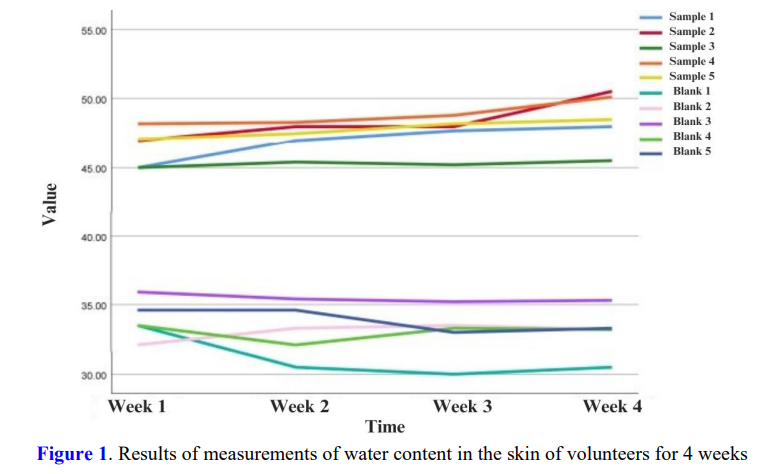
Antioxidants can be used to protect the skin from damage caused by oxidation to prevent premature aging. The more increasing consumption level of red dragon fruit (Hylocereus polyrhizus) affects the amount of unused remaining fruit peels. In fact, the peel of red dragon fruit is considerably potential for natural antioxidant. Pitaya or dragon fruit is reported to contain betacyanin color pigment, with antioxidant activity. The use of cosmetics containing antioxidant compounds can prevent premature aging due to free radicals. One of the interesting forms of cosmetic preparations for skin care is the peel-off gel mask. The base that can be used as a film former for peel-off gel facial masks is polyvinyl alcohol (PVA). This study aims to determine the effectiveness of red dragon fruit peel extract peel-off masks as anti-aging. Anti-aging effectiveness testing was carried out on 10 volunteers and divided into two groups, namely the blank group (F0) and the extract group (FIII) for four weeks, and anti-aging activity was measured using a skin analyzer). Based on the results and discussions in this study, it can be concluded that the application of a peel-off mask of red dragon fruit peel extract (Hylocereus polyrhizus) is effective for repairing the skin and providing an anti-aging effect.
References
Amaro-Ortiz, A., Yan, B., & D'Orazio, J. A. (2014). Ultraviolet radiation, aging, and the skin: Prevention of damage by topical cAMP manipulation. Molecules, 19(5), 6202–6219. https://doi.org/10.3390/molecules19056202
Aramo. (2012). Skin and Hair Diagnosis System. Aram Huvis Korea Ltd.
Cristovao, M. S., Wiryawan, I. S., & Sugiritama, I. W. (2019). Pengaruh ekstrak kulit buah naga merah (Hylocereus polyrhizus) terhadap kadar malondialdehyde liver pada tikus yang diberi paparan asap rokok. Intisari Sains Medis, 10(3), 801-805. https://doi.org/10.15562/ism.v10i3.483
D’Orazio, J., Jarrett, S., Amaro-Ortiz, A., & Scott, T. (2013). UV radiation and the skin. International Journal of Molecular Sciences, 14(6), 12222–12248. https://doi.org/10.3390/ijms140612222
Fitri, E. W., Anwar, A. I., Djawad, K., Seweng, A., & Changara, H. (2016). The Effectiveness of Topical Mangosteen Pericarp Extract on the Collagen of Mice Skin Exposed to Ultraviolet B. American Journal of Clinical and Experimental Medicine, 4(3), 88–93. https://doi.org/10.11648/j.ajcem.20160403.19
Grace, F.X., C. Darsika, K.V. Sowmya, K. Suganya, and S. Shanmuganathan. 2015. Preparation and Evaluation of Herbal Peel Off Face Mask. American Journal of PharmTech Research, 20(3), 438–445. http://dx.doi.org/10.29303/jbt.v20i3.2157
Haerani, A., Chaerunisa, A. Y., & Subarnas, A. (2018). Artikel Tinjauan: Antioksidan Untuk Kulit. Farmaka, 16(2), 135–151. https://doi.org/10.24198/jf.v16i2.17789
Harjanji, R. S. (2016). Optimasi Pengambilan Antosianin dari Kulit Buah Naga Merah (Hylocereus polyrhizus) Sebagai Pewarna Alami pada Makanan. CHEMICA: Jurnal Teknik Kimia, 3(2), 39–45. http://dx.doi.org/10.26555/chemica.v3i2.5922
Hassan, I., Dorjay, K., Sami, A., & Anwar, P. (2013). Sunscreens And Antioxidants As Photo-Protective Measures: An Update. Our Dermatol Online, 4(3), 369–374. htps://doi.org/10.7241/ourd.20133.92
Jit, T., Gill, S., Ayu, G., Ratnayanti, D., Kamasan, G., & Arijana, N. (2018). The effect of purple mangosteen (Garcinia mangostana) peel extract on collagen fiber in male Wistar rats after Ultraviolet-B (UV-B) exposure. Intisari Sains Medis, 9(3), 131–134. https://doi.org/10.15562/ism.v9i3.295
Muhammad, K., Nur, N. I., Gannasin, S. P., Mohd. Adzahan, N., & Bakar, J. (2014). High methoxyl pectin from dragon fruit (Hylocereus polyrhizus) peel. Food Hydrocolloids, 42, 289–297. https://doi.org/10.1016/j.foodhyd.2014.03.021
Muliyawan, D., & Suriana, N. (2013). A-Z Tentang Kosmetik. Elex Media Komputindo.
Nani Wijayanti, D. N., Yudhistira, L., & Faizah, A. K. (2022). Phytochemical Screening and Bacterial Activity of Hylocereus polyrhizus Britton and Rose Peel against Staphylococcus epidermidis and Staphylococcus aureus. Biomedical and Pharmacology Journal, 15(3), 1729–1735. https://dx.doi.org/10.13005/bpj/2511
Utami, W., Mardawati, E., &, & Putri, H. S. (2020). Pengujian Aktivitas Antioksidan Kulit Buah Naga Merah (Hylocereus Polyrhizus) Sebagai Masker Gel Peel Off. Jurnal Industri Pertanian, 2(1), 95–102.
Wahdaningsih, S., Wahyuono, S., Riyanto, S., &, & Murwanti, R. (2017). Penetapan Kadar Fenolik Total Dan Flavonoid Total Ekstrak Metanol Dan Fraksi Etil Asetat Kulit Buah Naga Merah (Hylocereus Polyrhizus (F.A.C.Weber) Britton Dan Rose). Pharmacon, 6(3).